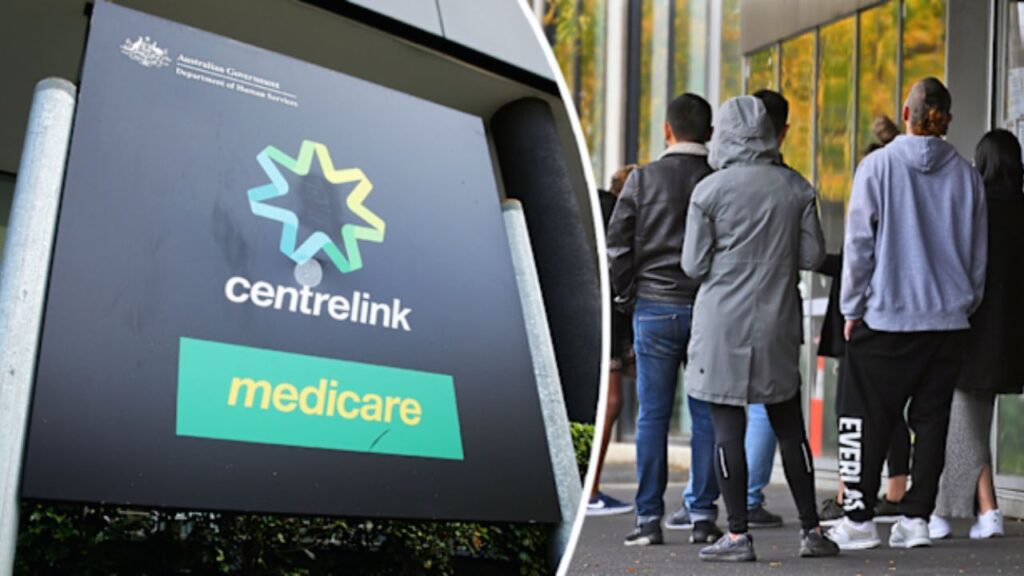
Australia’s social support system is undergoing gradual adjustments, and recent discussions around Centrelink payments have sparked concern among many recipients. In particular, renewed attention on the once-familiar $750 support payment and updated claim requirements has left some households uncertain about what lies ahead.
While the $750 payment played a significant role during earlier economic disruptions, changing conditions and administrative updates mean recipients must stay alert to evolving rules. Understanding what is actually changing—and what remains the same—can help households plan with confidence rather than fear.
Understanding the Origins of the $750 Centrelink Support Payment

The $750 support payment was originally introduced as a temporary financial measure during periods of economic stress. It was designed to provide short-term relief to individuals receiving eligible government benefits, including pensioners, carers, and low-income households.
Why the Payment Was Introduced
The payment served several important purposes:
- Boosting household spending during uncertain economic periods
- Supporting retirees and low-income earners facing rising living costs
- Providing immediate relief without requiring a complex application process
Because it was issued as a targeted one-off support measure, it was never intended to function as a permanent payment stream. However, its popularity and usefulness led many recipients to hope similar payments might continue in the future.
New Centrelink Claim Rules Explained

Recent administrative changes to Centrelink claim procedures have generated confusion among recipients. While these updates aim to improve accuracy and reduce processing delays, they also introduce additional steps that some applicants may find challenging.
Key Changes to Claim Procedures
Updated claim rules may include:
- Increased identity verification requirements
- Additional income and asset documentation
- More frequent eligibility reviews
- Digital submission requirements for certain claims
These adjustments are designed to strengthen system integrity and ensure payments reach those who meet eligibility criteria. However, for individuals unfamiliar with digital systems or documentation processes, these changes can feel overwhelming.
Why Documentation Matters More Than Ever

Providing accurate and up-to-date documentation has become increasingly important. Missing or incorrect paperwork can delay payments or lead to temporary suspension while information is verified.
Common documentation requests may include:
- Proof of identity
- Bank account details
- Employment records
- Income statements
- Housing or rental agreements
Being proactive and maintaining organized records can significantly reduce administrative stress.
Is the $750 Payment Being Discontinued?
One of the biggest concerns among recipients is whether the $750 payment will return or be permanently discontinued.
The Reality Behind the Rumors
In most cases, the $750 payment is not part of ongoing scheduled benefits. Instead, it has historically been issued as a one-time supplementary payment during extraordinary circumstances.
This means:
- The payment may not return unless new economic support measures are announced
- It should not be considered a recurring benefit
- Future relief programs may use different payment amounts or formats
Understanding this distinction helps households avoid budgeting assumptions based on temporary support.
How These Changes Could Affect Eligibility
Eligibility requirements remain one of the most critical factors in determining continued access to Centrelink payments. Even small administrative changes can influence approval outcomes.
Who May Be Affected Most
Certain groups may notice the greatest impact from updated claim procedures, including:
- First-time applicants
- Individuals with fluctuating income
- Those with complex financial arrangements
- Recipients transitioning between payment categories
Regular eligibility reviews are becoming more common, making it essential to keep personal details updated at all times.
Maintaining Eligibility
To reduce the risk of payment interruptions, recipients should:
- Report income changes promptly
- Update personal details regularly
- Respond quickly to verification requests
- Monitor communication from Centrelink
Consistency and responsiveness are key to maintaining uninterrupted support.
Financial Planning During Uncertain Times
Changes to support payments highlight the importance of financial planning. Even temporary uncertainty can place pressure on household budgets, especially for those relying heavily on government assistance.
Building a Flexible Budget
A flexible budget allows households to adapt if payments change. Effective budgeting strategies include:
- Prioritizing essential expenses
- Creating a small emergency reserve
- Reviewing subscription and discretionary spending
- Monitoring monthly cash flow closely
Small financial adjustments made early can prevent larger problems later.
Exploring Alternative Support Options
In addition to core Centrelink payments, households may be eligible for additional assistance programs.
These may include:
- Rent assistance
- Utility rebates
- Energy support schemes
- Community-based financial counselling services
Accessing supplementary programs can help offset potential changes in primary payments.
The Impact on Vulnerable Households
For vulnerable Australians, even minor payment adjustments can have significant consequences. Households already managing tight budgets may experience heightened stress if expected payments change or require requalification.
Potential Challenges
Common challenges include:
- Difficulty covering rent or mortgage payments
- Increased reliance on short-term credit
- Reduced ability to manage unexpected expenses
- Greater financial anxiety and uncertainty
Community organizations and support networks often play a crucial role in helping households navigate these challenges.
Digital Changes and the Move Toward Online Claims
Modernization efforts are shifting many Centrelink processes toward digital platforms. While this improves efficiency, it can also create barriers for individuals less familiar with online systems.
Benefits of Digital Systems
Online claim systems offer several advantages:
- Faster processing times
- Real-time application tracking
- Reduced paperwork handling
- Improved communication channels
These improvements aim to reduce long waiting periods and streamline services.
Overcoming Digital Barriers
For individuals facing digital challenges, several strategies can help:
- Seeking assistance from family members
- Visiting service centres for guided support
- Using community libraries or digital help programs
- Attending local workshops on online services
Adapting to digital tools can greatly improve long-term access to benefits.
Staying Informed About Future Updates
Information accuracy is essential during periods of policy adjustment. Misinformation can lead to unnecessary stress and poor financial decisions.
Reliable Ways to Stay Updated
Recipients should rely on trusted communication channels, including:
- Official government announcements
- Direct notifications from Centrelink
- Registered financial advisers
- Community support organizations
Avoiding speculation and relying on verified updates helps maintain confidence and clarity.
Preparing for Long-Term Financial Stability
While temporary payments like the $750 support measure provided valuable relief, long-term financial stability depends on planning beyond short-term assistance.
Practical Preparation Steps
Individuals and families can strengthen financial resilience by:
- Reviewing income sources regularly
- Building savings gradually
- Understanding benefit entitlements
- Seeking professional financial advice when needed
Even modest preparation efforts can lead to meaningful improvements in financial security.
Looking Ahead: Confidence Through Awareness
The evolving nature of Centrelink payments reflects broader economic and administrative changes. While uncertainty around past support measures such as the $750 payment continues to generate discussion, the most effective response is preparation and awareness.
By understanding updated claim rules, maintaining accurate documentation, and planning budgets carefully, recipients can navigate transitions with greater confidence. Financial security is not built on temporary payments alone—but on informed decisions, reliable planning, and consistent engagement with available support systems.