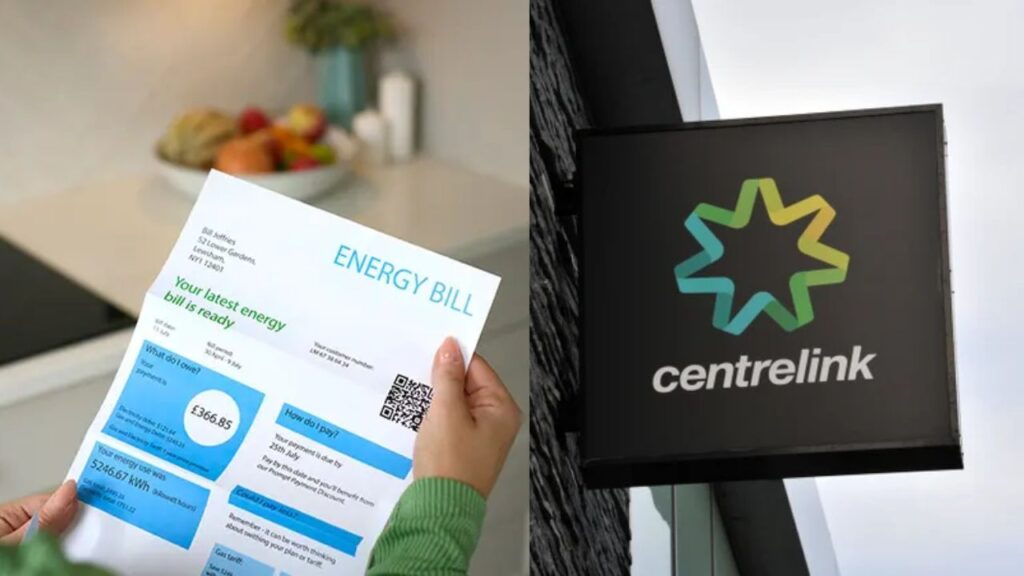
Rising energy costs have become one of the most pressing financial concerns for households in recent years. In response to growing pressure on family budgets, expanded energy rebate measures introduced in 2026 are delivering broader relief to eligible households. These updated rebates are designed to reduce electricity and gas expenses while ensuring that vulnerable communities continue to have reliable access to essential utilities.
The enhanced rebate structure reflects a larger commitment to protecting household finances during periods of rising inflation and fluctuating utility costs. With expanded eligibility, higher discount levels, and streamlined delivery, the 2026 changes are reshaping how energy assistance reaches millions of recipients.

Understanding these updates is essential for households aiming to manage costs more effectively and maintain financial stability in an increasingly expensive environment.
Why Energy Rebates Became a Priority in 2026
Energy expenses have steadily increased due to multiple factors, including infrastructure upgrades, supply adjustments, and seasonal demand shifts. For many households, electricity and gas bills now represent one of the largest recurring expenses, often rivaling housing costs.
As utility prices climbed, the pressure on lower- and middle-income households intensified. Families found themselves balancing essential expenses such as groceries, rent, healthcare, and transportation alongside growing energy costs.

The expanded rebate initiative introduced in 2026 was designed to counter these pressures. By increasing access to financial support, policymakers aimed to prevent households from falling into hardship due to unavoidable utility expenses.
The broader strategy focuses on maintaining financial stability while encouraging responsible energy use and long-term sustainability.
Expanded Eligibility Opens Access to More Households
One of the most notable changes introduced in 2026 is the expansion of eligibility criteria. Previously, energy rebates were largely limited to specific groups receiving defined support payments.

Under the updated framework, eligibility now extends to a wider range of households, including:
- Age pension recipients
- Disability support recipients
- Income support beneficiaries
- Low-income households meeting defined thresholds
- Certain working families facing financial pressure
This broader eligibility approach ensures that assistance reaches individuals who may not have qualified previously but still face significant financial strain due to rising energy costs.
By widening access, the updated program strengthens household resilience and reduces the risk of energy-related financial hardship.
Higher Discount Levels Provide Meaningful Savings
Beyond expanded access, the revised rebate structure introduces increased discount percentages on both electricity and gas usage. These adjustments are designed to provide more noticeable financial relief compared to previous rebate levels.
Eligible households may now receive:
- Up to 25% discount on electricity bills
- Up to 20% discount on gas bills
These increased rates represent a substantial improvement over earlier discount levels, which were typically lower and less impactful for households facing significant utility expenses.
Higher discounts not only reduce immediate financial stress but also allow families to redirect funds toward other critical needs such as food, healthcare, education, and savings.
Over the course of a year, these savings can accumulate into meaningful financial support.
Automatic Application Simplifies the Process
Another major improvement introduced in 2026 is the shift toward automatic rebate application. In previous systems, eligible households often needed to submit applications or provide documentation manually.
This created barriers that sometimes prevented households from accessing benefits they were entitled to receive.
The updated system removes these obstacles by automatically applying eligible rebates directly to energy bills. This streamlined process offers several advantages:
- Eliminates the need for repeated applications
- Reduces administrative delays
- Ensures consistent access to benefits
- Improves overall participation rates
Automatic processing ensures that eligible households receive support without unnecessary complications, making the system more efficient and accessible.
Supporting Households During Ongoing Energy Challenges
Energy affordability remains a central concern for many households, particularly during colder months when heating demands increase. Rising temperatures in summer can also drive up electricity usage due to cooling needs.
Expanded rebates introduced in 2026 serve as a stabilizing force during these periods of higher demand. By lowering energy expenses, households gain the ability to maintain safe indoor temperatures without sacrificing other essentials.
Financial relief from energy rebates can also help prevent overdue bills and reduce the likelihood of service interruptions, contributing to overall household security.
This support is especially valuable for older adults, families with young children, and individuals managing long-term health conditions.
Enhancing Financial Planning and Budget Stability
Consistent utility support plays a significant role in household financial planning. Predictable energy costs allow families to budget more effectively and avoid unexpected financial shocks.
With expanded rebates in place, households may experience:
- Improved monthly cash flow
- Reduced reliance on emergency credit
- Greater capacity to build savings
- Increased ability to manage long-term expenses
These financial improvements contribute to overall stability and reduce stress associated with fluctuating utility costs.
For many families, even modest savings on energy bills can create opportunities for stronger financial management.
Encouraging Responsible Energy Use
While the rebate program focuses on financial relief, it also encourages thoughtful energy consumption. Households receiving assistance are increasingly exploring energy-efficient appliances, improved insulation, and responsible usage habits.
These behavioral shifts help reduce long-term energy demand while supporting sustainability goals.
Examples of responsible energy practices include:
- Using energy-efficient lighting and appliances
- Managing heating and cooling schedules
- Reducing standby power usage
- Monitoring electricity consumption patterns
By combining financial support with responsible usage, households can maximize the benefits of the rebate program.
Strengthening Support for Vulnerable Communities
Expanded rebate programs provide essential protection for individuals most vulnerable to financial hardship. These include seniors, caregivers, low-income workers, and households managing medical or accessibility needs.
Utility costs can disproportionately affect vulnerable populations due to higher usage requirements or fixed incomes. Enhanced rebates reduce this burden, helping households maintain consistent living conditions.
Access to reliable electricity and gas supports health, safety, and overall well-being, particularly in extreme weather conditions.
Strengthened assistance programs also contribute to broader community resilience and social stability.
Long-Term Economic and Social Benefits
Beyond immediate household savings, expanded energy rebates contribute to long-term economic health. When households maintain financial stability, local economies benefit from consistent spending on essential goods and services.
Energy assistance programs also reduce pressure on emergency financial services and community support networks.
These broader economic benefits reinforce the importance of maintaining responsive social support systems that evolve alongside changing financial conditions.
Investing in energy affordability supports not only individual households but also the wider economic ecosystem.
Staying Informed and Maximizing Available Benefits
While many rebates are applied automatically, staying informed remains important. Households should regularly review billing statements and eligibility details to ensure correct application of available discounts.
Key steps for maximizing benefits include:
- Keeping personal and household information updated
- Reviewing energy bills for applied discounts
- Monitoring eligibility thresholds
- Seeking clarification when circumstances change
Proactive engagement helps ensure that households receive the full value of available support.
Looking Ahead: A More Adaptive Energy Support System
The expanded energy rebate measures introduced in 2026 represent a significant step toward modernizing household support systems. As utility costs continue to evolve, responsive rebate structures will remain essential in protecting financial well-being.
By expanding eligibility, increasing discount levels, and simplifying access, the updated rebate framework provides meaningful relief to millions of households facing rising costs.
These changes signal a broader shift toward smarter, more accessible financial assistance—one designed to strengthen household resilience, support responsible energy use, and promote long-term economic stability.