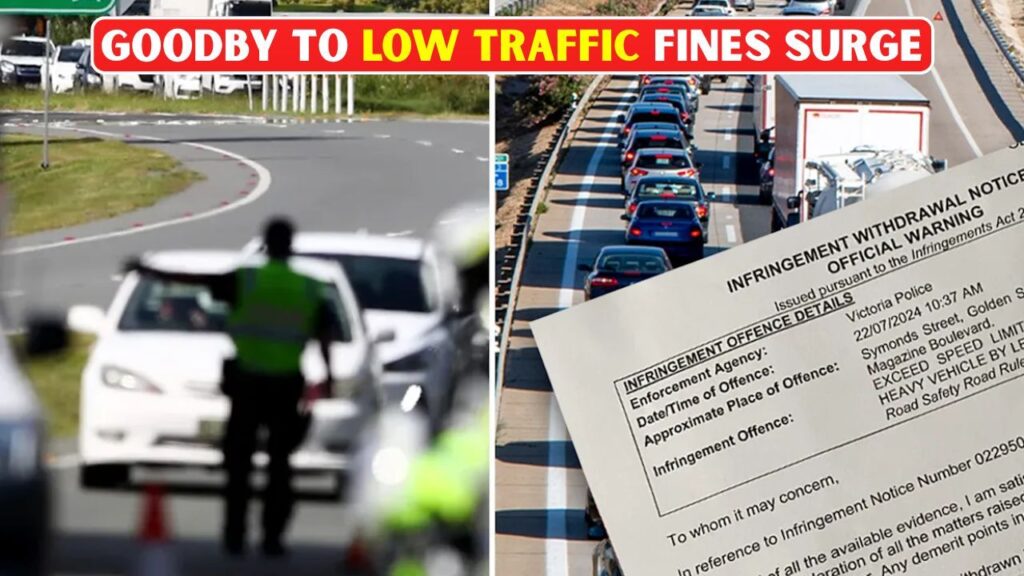
Drivers across Australia are preparing for a major shift in road enforcement as stricter speeding penalties take effect from 10 March 2026. The new framework introduces significantly higher fines, with the maximum penalty rising sharply to as much as $1,900. This substantial increase reflects a growing commitment to improving road safety and reducing preventable accidents caused by excessive speed.
For many motorists, this change represents more than just higher financial risk—it signals a cultural shift toward stricter accountability on the road. Authorities are making it clear that speeding will no longer be treated as a minor oversight but as a serious safety violation with meaningful consequences.

Understanding how these new rules work and how they may affect daily driving habits is essential for anyone who spends time behind the wheel.
Why Speeding Penalties Are Increasing
Road safety remains a top priority for transport authorities, particularly as traffic volumes continue to grow. Despite advancements in vehicle technology and improved road infrastructure, speeding remains one of the leading causes of serious road incidents.
A Focus on Preventable Accidents
Research consistently shows that higher speeds increase both the likelihood of collisions and the severity of injuries. Even small increases above posted speed limits can dramatically reduce reaction time and increase stopping distance.

By introducing stricter penalties, policymakers aim to discourage risky driving behaviors and reinforce the importance of maintaining safe speeds. The message is simple: slowing down saves lives.
Encouraging Responsible Driving Culture
Financial penalties are widely viewed as one of the most effective deterrents against unsafe driving. When the financial consequences become more substantial, drivers are more likely to reconsider risky decisions.
The increased fines are intended to create long-term behavioral change, encouraging drivers to prioritize safety over convenience.
New Speeding Fine Structure Explained

The most noticeable change under the updated rules is the dramatic increase in the maximum fine amount.
Key Financial Changes
Under the new penalty structure:
- The minimum fine for minor speeding violations remains approximately $207
- The maximum fine increases significantly, reaching up to $1,900
- Repeat offenses may lead to escalating penalties
- Additional consequences may include license points or temporary suspensions
This new structure ensures that more serious violations result in proportionally higher consequences.
Impact on Minor Offenses
One important detail often overlooked is that even small speed violations can carry financial consequences. Driving slightly above the speed limit may still result in fines that feel substantial, especially for frequent drivers.
Authorities emphasize that compliance with speed limits at all times—not just in high-risk zones—is critical.
Who Will Feel the Impact Most
The updated speeding penalties apply to all drivers, regardless of experience level or driving frequency. However, certain groups may experience a greater financial and behavioral impact.
Daily Commuters
Individuals who commute long distances are naturally exposed to more driving time, increasing the likelihood of minor violations. With higher penalties now in place, even occasional speeding could result in significant expenses over time.
Adopting consistent speed management habits can help reduce exposure to risk.
Professional Drivers
Commercial drivers, delivery professionals, and transport operators face increased accountability under the new system. For individuals whose income depends on driving, avoiding violations is now more critical than ever.
Repeated offenses could affect both financial stability and employment eligibility.
Repeat Offenders
Drivers with a history of speeding violations may face escalating penalties under the revised framework. These cumulative consequences can include higher fines, license suspensions, and mandatory driving reviews.
The system is designed to identify patterns of unsafe behavior and discourage repeated violations.
The Broader Impact on Road Safety
Beyond individual drivers, the new speeding penalties are expected to influence road conditions nationwide.
Reduced Collision Rates
Stricter enforcement often leads to measurable improvements in road safety. When drivers are aware of increased consequences, they tend to adopt more cautious habits.
Over time, this shift can lead to fewer accidents, reduced emergency response demands, and improved public safety outcomes.
Benefits for Communities
Safer roads benefit everyone—not just drivers. Pedestrians, cyclists, and passengers all gain from reduced traffic risks.
Lower accident rates also ease pressure on healthcare systems and insurance providers, contributing to broader economic stability.
Financial Consequences Drivers Should Consider
While safety remains the primary focus, the financial impact of these changes cannot be ignored.
Budget Planning for Drivers
A single large fine can disrupt personal budgets, especially during periods of rising living costs. Drivers should consider reviewing monthly expenses and allocating emergency funds to handle unexpected penalties if necessary.
More importantly, preventive driving habits remain the most effective financial protection.
Insurance Implications
Speeding violations often influence insurance premiums. Multiple offenses may lead to higher annual costs, adding long-term financial pressure beyond the initial fine.
Maintaining a clean driving record can help protect both immediate finances and future insurance rates.
Technology and Enforcement Advancements
Modern traffic enforcement increasingly relies on advanced technology to detect violations accurately.
Increased Monitoring Systems
Authorities are expanding the use of automated cameras, speed detection systems, and real-time monitoring tools. These technologies allow enforcement agencies to identify violations quickly and consistently.
Drivers should assume that enforcement coverage will continue to expand in coming years.
Integration With Smart Infrastructure
As cities adopt connected traffic systems, real-time data collection will improve enforcement efficiency. Smart road technologies can detect speed violations more precisely than traditional methods.
This transition reflects a broader move toward technology-driven road safety management.
How Drivers Can Prepare for the Changes
Preparing for the new penalty environment involves more than simply driving slower. It requires a thoughtful approach to everyday driving habits.
Develop Safer Driving Habits
Simple adjustments can significantly reduce the risk of violations:
- Monitor speed regularly, especially in unfamiliar areas
- Allow extra travel time to avoid rushing
- Use cruise control when appropriate
- Stay alert to changing speed limits
Consistency is the key to long-term compliance.
Stay Informed About Local Rules
Traffic regulations can vary across regions, making it important to stay updated on enforcement practices and penalty structures.
Regularly reviewing official transport updates ensures drivers remain aware of changes that could affect their daily routines.
Use Technology Responsibly
Modern vehicles often include speed alerts and driver assistance features. Using these tools effectively can help maintain safe speeds and prevent accidental violations.
Navigation systems with speed notifications can also serve as helpful reminders.
Public Response and Ongoing Debate
As with any significant regulatory change, public reaction to the increased speeding fines has been mixed.
Support for Stronger Enforcement
Many safety advocates support stricter penalties, arguing that higher fines encourage responsible driving and save lives.
From this perspective, the financial impact is justified if it results in fewer injuries and fatalities.
Concerns About Financial Burden
Others express concern that steep fines could disproportionately affect individuals with limited financial flexibility.
Balancing deterrence with fairness remains a key consideration as authorities monitor the effectiveness of the new system.
A New Era of Accountability on the Roads
The introduction of significantly higher speeding penalties marks a turning point in traffic enforcement. Rather than relying solely on warnings or minor fines, the updated system emphasizes meaningful consequences designed to reshape driver behavior.
For motorists, the takeaway is clear: responsible driving is no longer optional—it is essential. Adapting early to the new expectations can prevent financial setbacks and contribute to safer roads for everyone.
By understanding the rules, practicing disciplined driving, and embracing a safety-first mindset, drivers can navigate this new landscape confidently while protecting both their finances and their wellbeing.